General Information:
Rightfully, one of the most famous national parks in the world is Kruger National Park. Kruger National Park is located in the far northeastern corner of South Africa and shares a long eastern border with Mozambique. Kruger takes its name from Paul Kruger who in 1898 opened the park as South Africa’s president naming it Sabie Game Reserve. In 1928 the name of the park was changed to Kruger National Park and it was added to the National Park network.
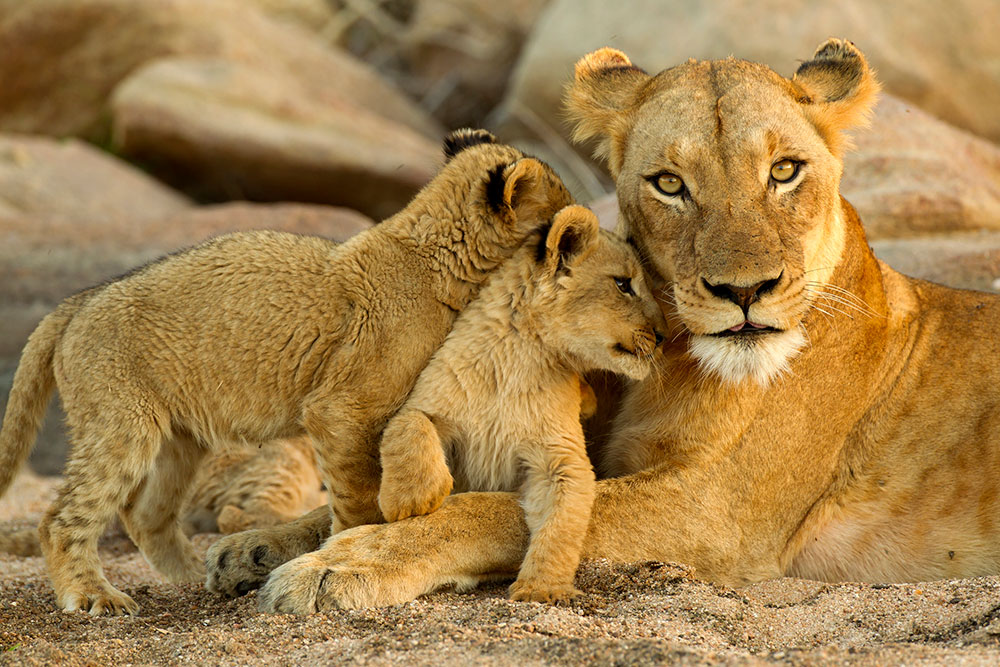
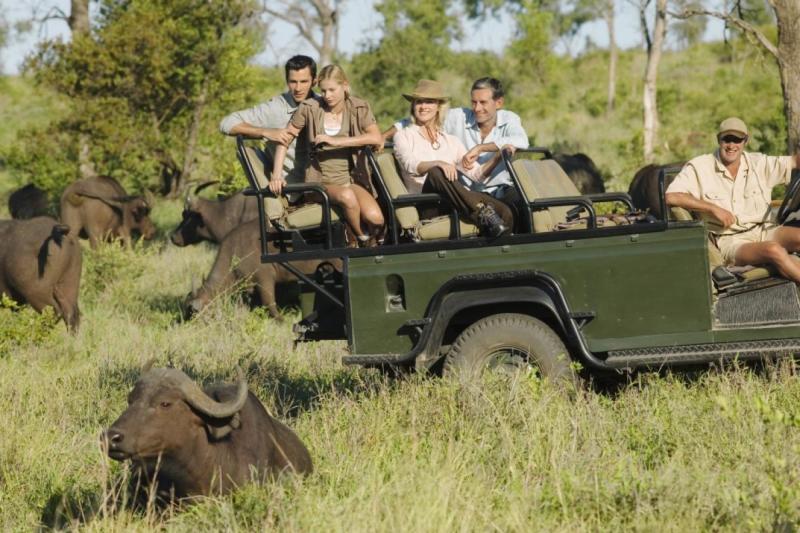
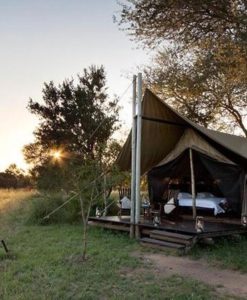
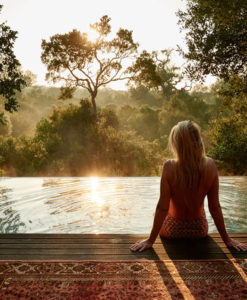
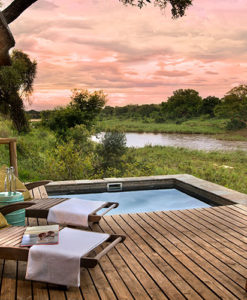
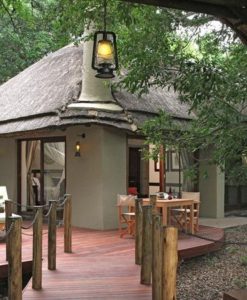
Kruger National Park is a “big five” national park with 147 species of animals and over 500 species of birds. Kruger has varying activities from hiking safaris and horseback riding to just laying by the pool and listening to the calls of the wild at some of the world’s top Kruger safari lodges. Night drives or night safaris are common as this is the best time to see those who stay out of the heat in the day only to become hunters at night. Kruger National Park has all accommodation options from camping to the luxury lodges.
Highlights:
Overall Highlights of Kruger:
- Bush Walks
- Foot Safaris and walking wilderness trails
- Game Drives
- Big Five safaris in open 4×4 vehicles
- Excellent birding with more than 500 species
Far North Region Highlights:
- Enjoy the solitude that exists in this part of the park
- Riverine forest on the banks of the Luvuvhu River
- Bird Viewing on Riverbanks
- Drivingwalking the Mozambican Coastal Plain
- The sandstone hills west of Punda Maria
Northern Region Highlights:
- Drive the undulating semi-arid landscape
- Hippo spotting in the Letaba and Olifants rivers – it is estimated that two-thirds of Kruger hippos live here.
- Elephant & Water Buffalo are home in this part of the park.
Central Region Highlights:
- Cats – this is cats territory – Lion, Cheetah, Hyena
- Take in the African grasslands & animals that supports- antelope, buffalo, wildebeest etc.
- The luxury lodges that boarder this section of the park to the west
Southern Region Highlights:
- Lebombo Mountains act as the the border with Mozambique and Crocodile River and the Sabie River as north south boundaries.
- Rocky Granite Landscape and Ship Mountain with its history of wagon trails and exploration
- Rare flora and Trees – Coral Tree, Cape Chestnu, Lavender Fever Berry
- Baboon, Klipspring and Hyrax live here because there few large cats
- Wildlife include Cheetah, White Rhino, Impala, Kudu, Giraffe, Buffalo, Zebra
Accommodation:
Kruger National Park has many overnight lodging facilities. SANParks runs most of the lodges and more are being built all the time. Below what different kinds of places are available, with our favorite of each of the ones (from those we have actually visited).
Rest Camps:
Lower Sabie Rest Camp is probably our favorite because of the way it is constructed along the banks of the Sabie river and the backdrop of the Lebombo Mountains. While Lower Sabie Rest Camp is usually full in the peak months, it is a fun stop for the family to watch different set of animals come down to the river for their turn to drink from the viewing deck or the benches along the shore.
Contact information for Lower Sabie Rest Camp:
Tel: +27 (0)13 735 6056/7
Fax: +27 (0)13 735 6062
Mobile: 082 888 6562
Bushveld Camps:
Bateleur Bushveld Camp, along the banks of the Mashokwe spruit not far from Shingwedzi. This well-kept simple camp in the northern Mopane/Woodland savannah tops our list. Making it even better yet, just outside camp there is a game viewing hide overlooking a watering hole, so driving through the park is not the only way to see the wildlife. If you do choose to drive, there are two dams close by that are for residents of Bateleur camp only.
Contact information for Bateleur Bushveld Camp:
Tel: +27 (0)13 735-6843
Fax: +27 (0)13 735-6844
Satellite Camps:
The self-service Malelane Satellite Camp is located on the Southern border of Kruger park, and tops our list for being simple, small and intimate. A drastic change of scenery from the Northern areas of the park, this camp is located amongst the sugar cane fields and farms. We also chose this camp as it is easily accessible from the N4 and ideal for those wishing to camp inside the park.
Contact information for Malelane Satellite Camp:
Tel: +27 (0)13 735 6152
Fax: +27 (0)13 790 1075
Bush Lodges:
Roodewal Bush Lodge sits on the banks of the Timbavati River in central Kruger. This bush lodge tops our list because of the great access to the larger wildlife and cats in the park. While some facilities were run down, or temporarily out of order, this lodge is ideal if you are the no-frills traveler simply looking for a place to spend the night and watch some amazing game experiences.
Contact information for Roodewal Bush Lodge:
Tel: +27 (0)13 735 6306/7
Fax: +27 (0)13 735 6304
Mobile: 082 802 1209
Overnight Hides:
If you want primate, rustic, and as close to the nature of the park as you possibly can be, then prepare yourself for Sable Sleepover Hide. Built of wood and thatched roof, this hide tops our list as it overlooks Sable Dam that comes alive at night. If you fear the dark, or whimper at the sound of a lion roaring beneath you, this may not be for you. For the adventurer, this is likely exactly what you need to tell a story.
Contact information for Sable Sleepover Hide:
Tel and Fax: +27 (0)13 735 3547/8
Camp Sites:
Tsendze Rustic Camp Site, the only camping ground in the park, seems to be perfectly named. Not only does this camp site fit the very definition of rustic but Tsendze translated from Tsonga, means “to ramble around like someone lost in the bush”. What made this experience great was the buffalo herds and elephant bulls that run this area – brought here because the Tsendze River and Nshawu Creek that are in close proximity to the camp. If you have ever wondered what it was like to originally explore Africa or get in touch with wildlife, this perhaps is the place for you. Don’t expect to get pampered.
Contact information for Tsendze Rustic Camp Site:
Tel: +27 (0)13 735 6535/6
Fax: +27 (0)13 735 6547
Mobile: 082 802 1113